Cleaning and assessment
Remove surface contamination and identify loose coatings, old filler, stains and weak areas.
Cleaning, filling, sanding, stabilising and priming selected to suit the actual surface—not a one-product shortcut.
Fresh paint highlights dents, cracks and uneven repairs rather than hiding them. Preparation is therefore specified around the condition of the substrate, the existing coating and the finish required.
Remove surface contamination and identify loose coatings, old filler, stains and weak areas.
Make good agreed cracks, holes and minor defects, then sand to an appropriate finish.
Treat porous or friable areas with a suitable system where the substrate can be made sound.
Use compatible primers for bare materials, adhesion, tannins or dry historic staining where required.
Separate cosmetic defects from active leaks, structural movement or other issues requiring a different trade.
Discuss which imperfections can be improved and where more extensive plastering or repair may be needed.
Work from sound edges, build repairs in suitable stages and control dust where practical.
Check repaired areas, primer adhesion and stain isolation before applying the decorative coats.
This service covers making good directly related to decoration. It does not present minor filler work as full plastering, structural repair or remediation of an active defect. Older or unknown coatings may also need a different approach before abrasion; HSE guidance explains why old paint can require caution.
“Preparation” can mean cleaning and light filling or a more involved sequence of removal, stabilising and repair. The level is written into the quotation so the expected finish has a clear basis.
Cracks, loose paint, stains and uneven areas are separated from movement, moisture or structural issues that need other work first.
Local filling, wider smoothing, stabilising, priming or stain isolation is specified according to the condition and finish expected.
The repaired background is reviewed for soundness and consistency before the agreed decorative coats proceed.
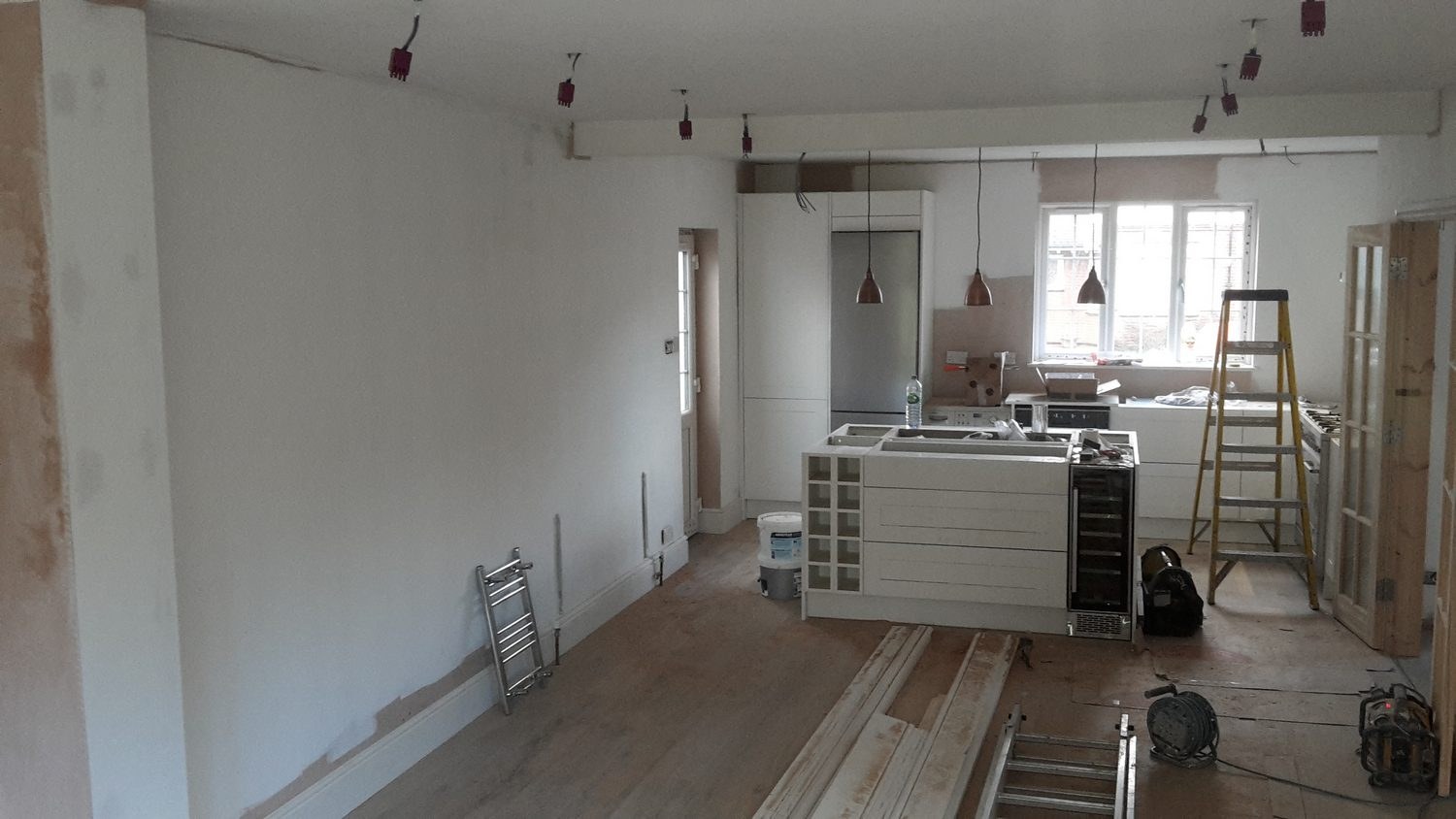
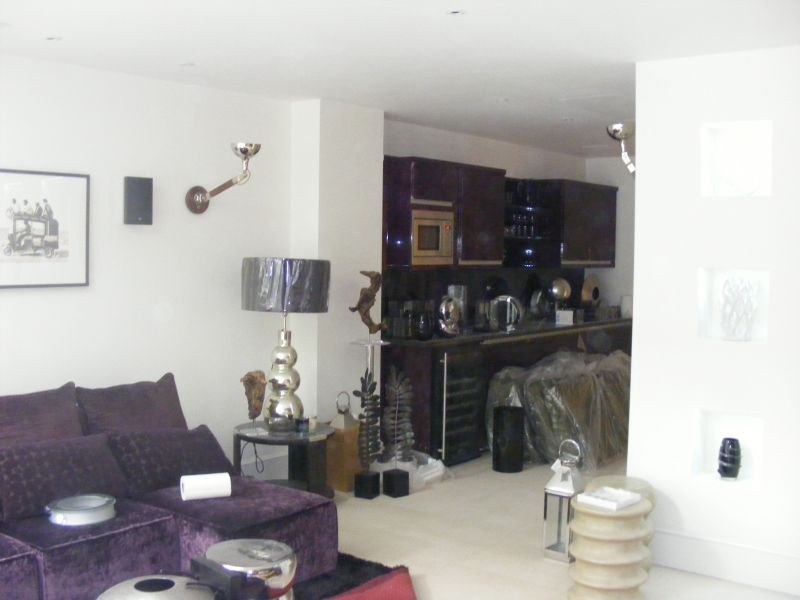
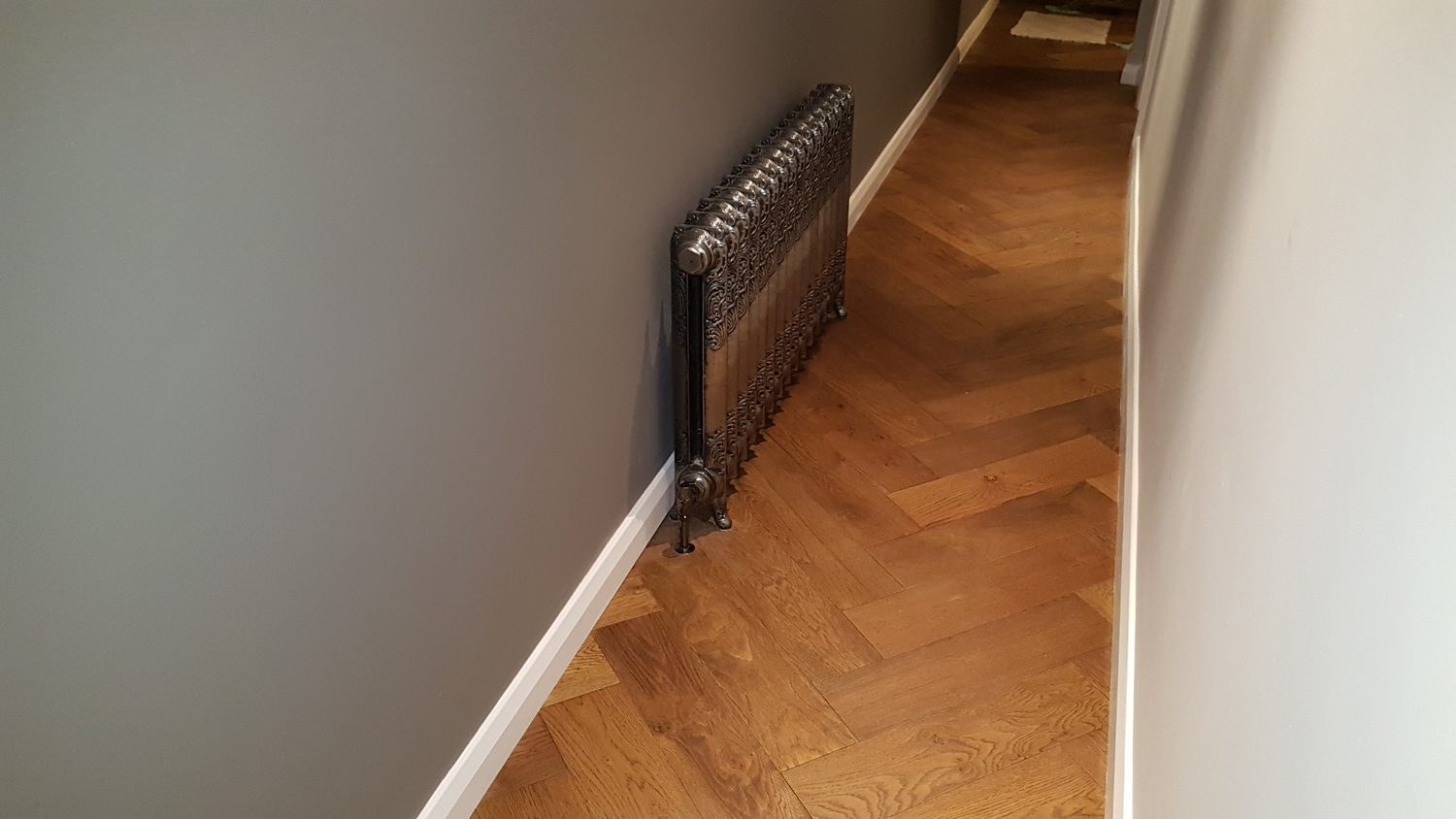
These completed Decor Plast projects show the visual result; the preparation beneath each finish was agreed for its actual condition.
The inspection separates decorative making good from defects that need investigation or a different specialist before painting.
See general decorating FAQsThe achievable finish depends on the substrate. Significant waviness or widespread failure may need a separate plastering scope before decorating.
No. The coating and age must be considered. Potentially hazardous materials require an appropriate assessment and must not simply be dry sanded.
Primers can improve adhesion, control suction, isolate staining or prepare bare materials. The correct product depends on the surface.
Minor stable cracks can usually be prepared and filled. Repeated movement, significant width or structural concern should be investigated before a decorative repair is attempted.
Unsound coating is removed back to a stable edge as part of the agreed preparation. Widespread failure may require a larger stripping or specialist scope.
The source must first be resolved. Once the surface is dry and stable, cleaning, local repair and a compatible stain-blocking primer may be required.
Send the postcode with close-up and wider photographs so the defect and surrounding surface can be considered together.
Describe cracking, peeling, stains or uneven areas, note any known cause and add close-up plus room-level photographs where possible.